

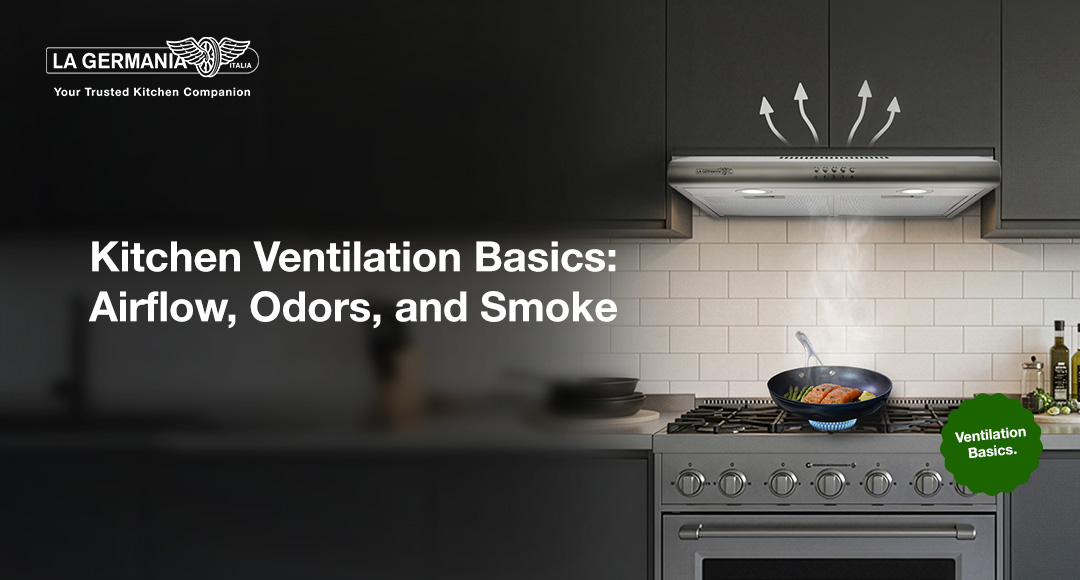
Kitchen range ventilation is one of the most overlooked elements of a well-designed cooking space. Many homeowners focus on cooktops, ovens, and cabinetry, but forget that proper airflow determines how comfortable, safe, and long-lasting the kitchen environment will be.
Without effective ventilation, smoke lingers. Odors cling to curtains. Grease settles on cabinets. Moisture builds up on ceilings.
A properly designed range hood kitchen system does more than remove visible smoke. It protects air quality, reduces cleaning time, and preserves your appliances for years.
Let’s break down why airflow matters and how to choose the right setup for your home.
What Is Kitchen Range Ventilation?
Kitchen range ventilation refers to the system that removes:
- Smoke
- Steam
- Grease particles
- Heat
- Odors
- Combustion gases (for gas cooking)
The most common solution is a range hood and vent system installed above your cooktop or cooker. This setup pulls contaminated air upward, filters it or exhausts it outside, and replaces it with cleaner air.
Modern kitchens, especially open layouts in Filipino homes, rely heavily on efficient ventilation to maintain comfort.
Why Airflow Is Important in Kitchen Ventilation
Airflow is not just about smell. It directly affects health, appliance longevity, and overall home comfort.
1. Removes Harmful Pollutants
Gas burners release:
- Carbon monoxide
- Nitrogen dioxide
- Combustion byproducts
Without proper range hood exhaust, these pollutants remain trapped indoors.
If you are using a high-output appliance such as a freestanding cooker, ventilation becomes even more essential due to higher heat and flame intensity.
2. Prevents Grease Buildup
Grease does not disappear. It floats.
Over time, airborne grease sticks to:
- Cabinets
- Walls
- Lighting fixtures
- Ceiling corners
This buildup leads to discoloration and sticky surfaces that are difficult to clean.
Installing a properly sized chimney hood helps capture grease before it spreads.
3. Controls Excess Moisture
Boiling and steaming release moisture into the air. Without ventilation, this humidity can:
- Warp wooden cabinets
- Cause paint bubbling
- Encourage mold growth
Moisture control is especially important in humid climates like the Philippines.
If your kitchen includes appliances such as a built-in oven, proper ventilation ensures heat and steam do not accumulate in enclosed cabinetry.
4. Maintains Comfortable Temperature
Cooking produces heat. Frying and grilling can quickly raise room temperature.
A strong range hood kitchen system helps remove hot air, making cooking more comfortable and reducing strain on air-conditioning units.
How a Range Hood and Vent System Works
A typical ventilation system has four main components:
- Motor
- Fan blades
- Filters
- Ductwork (for ducted systems)
Here’s what happens during operation:
-
- The motor powers the fan.
- The fan pulls air upward.
- Grease filters trap oil particles.
- Air is either:
-
-
- Exhausted outside (ducted), or
- Filtered and recirculated (ductless).
-
Wall-mounted options like a slim hood are ideal for compact kitchens, while larger homes may prefer more powerful canopy designs.
Ducted vs Ductless: What’s the Difference?
Understanding airflow means understanding where the air goes.
Ducted Ventilation
Ducted systems:
- Push air outside the home
- Remove heat more effectively
- Typically offer stronger airflow
- Require proper duct installation
They are ideal for heavy cooking households.
Ductless Ventilation
Ductless systems:
- Use charcoal filters
- Recirculate filtered air
- Are easier to install
- Work well in condos
If you live in a condominium unit with limited duct access, pairing your cooktop with a recirculating range hood exhaust system can still significantly improve air quality.
Signs Your Kitchen Lacks Proper Ventilation
If you notice any of the following, airflow may be insufficient:
- Lingering food smells hours after cooking
- Grease film on cabinet doors
- Foggy windows
- Peeling paint near the ceiling
- Excess heat buildup
In many cases, the issue is not the cooktop but the ventilation capacity.
For example, high-performance gas surfaces like a gas cooktop require ventilation that matches flame strength.
Choosing the Right Size Range Hood Kitchen Setup
Size directly impacts airflow efficiency.
General guidelines:
- Hood width should match or exceed cooktop width.
- Larger cookers require wider coverage.
- Installation height affects capture efficiency.
If you are using a 90cm cooker, your hood should ideally match that width.
Pairing large cooking appliances with properly sized ventilation ensures smoke does not escape at the edges.
Airflow Power: What Is CFM?
CFM (cubic feet per minute) measures how much air a hood can move.
Higher CFM means stronger suction. However, balance is important. Too much power in a small kitchen can create negative air pressure.
Industry ventilation guidelines typically recommend:
- Light cooking: 200–300 CFM
- Moderate cooking: 300–400 CFM
- Heavy frying or grilling: 400+ CFM
If you frequently cook multiple dishes at once using appliances such as a dual fuel range, stronger ventilation becomes essential.
Note: Recommended airflow may vary depending on your cooking style, appliance type, hood design, and installation. Always check the manufacturer’s specifications when choosing a range hood.
Kitchen Ventilation: Layouts for Efficiency
Ventilation performance depends on kitchen structure.
Open kitchens:
- Require strong airflow to prevent odor spread.
Closed kitchens:
- Contain smoke better but need good exhaust to prevent buildup.
Ceiling height also matters. Higher ceilings require stronger airflow to capture rising heat effectively.
Wall-mounted hoods often perform differently from island configurations, so choose based on layout, not just design.
Maintenance: The Overlooked Part of Airflow
Even the best range hood and vent system fails without maintenance.
To maintain optimal airflow:
- Clean grease filters monthly
- Replace charcoal filters regularly
- Inspect ductwork annually
- Wipe exterior surfaces to prevent buildup
Blocked filters restrict airflow, making motors work harder and reducing efficiency.
If your kitchen includes premium cooking appliances such as a built-in gas oven, proper ventilation maintenance protects both performance and cabinetry finish.
Energy Efficiency and Ventilation
Some homeowners avoid using their range hood to save electricity.
However, efficient airflow can actually:
- Reduce air-conditioner strain
- Prevent appliance overheating
- Improve indoor air quality
A well-designed ventilation system supports overall kitchen efficiency.
European-engineered brands such as La Germania prioritize balanced motor design to optimize airflow while managing energy use.
Ventilation and Long-Term Appliance Protection
Heat and grease shorten appliance lifespan.
Without proper airflow:
- Electronic components may overheat
- Stainless steel surfaces discolor
- Control panels degrade faster
Proper kitchen range ventilation protects not just air quality but your entire kitchen investment.
When selecting appliances, it’s best to think of the kitchen as a system—cooktop, oven, and ventilation working together.
Why Filipino Homes Need Stronger Kitchen Ventilation
Filipino cooking often involves:
- Frying
- Sautéing
- Grilling
- High-heat stir-frying
These methods produce more smoke and oil vapor compared to low-heat cooking.
Therefore, choosing a well-matched range hood kitchen system is not optional—it’s essential for comfort and cleanliness.
Humidity also intensifies odor retention, making airflow even more critical.
Final Thoughts: Airflow Is the Foundation for Comfortable Kitchen Ventilation
Beautiful cabinetry and premium appliances are important. But without proper airflow, even the most elegant kitchen becomes uncomfortable.
Strong range hood exhaust performance:
- Protects your health
- Preserves surfaces
- Reduces cleaning time
- Controls temperature
- Eliminates persistent odors
When planning or upgrading your kitchen, prioritize kitchen range ventilation early in the design process.
Think beyond aesthetics. Consider airflow capacity, hood size, cooking habits, and maintenance requirements.
A well-ventilated kitchen is quieter, fresher, and more enjoyable to use every day.