

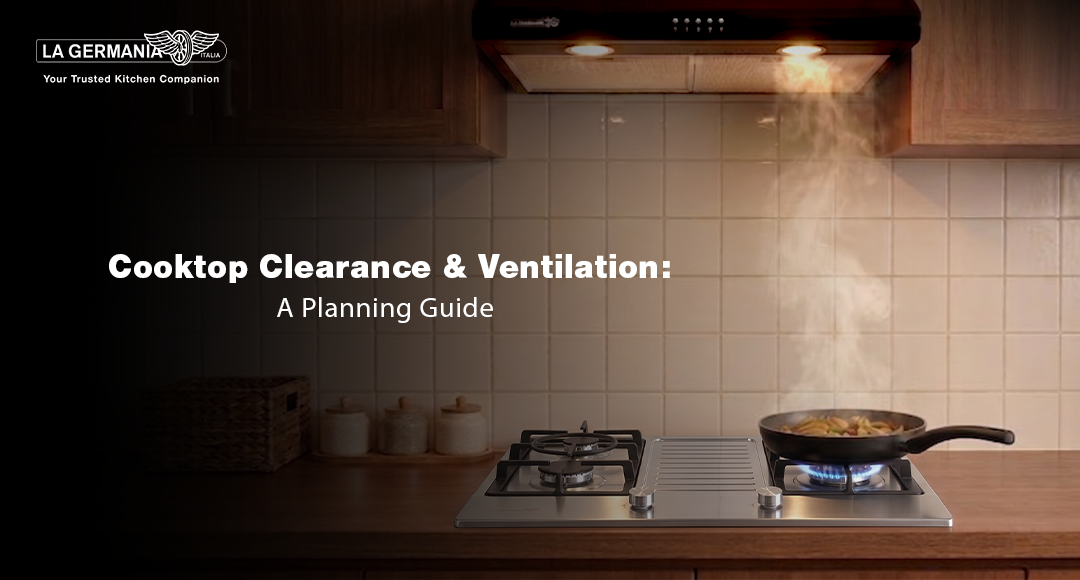
Designing a kitchen in the Philippines requires careful thought about safety and airflow. Many local homes have compact kitchen layouts where space is at a premium. When you install a new stove, you must prioritize proper cooktop clearance to avoid fire hazards. This term refers to the empty space needed around your appliance. This space protects your cabinets and walls from high heat and grease. Without enough room, your kitchen could become a dangerous environment for your family.
Proper planning ensures that your cooking area remains functional and safe. Heat rises quickly, especially when you use large pots for Filipino stews. If your upper cabinets are too close to the burners, the wood can warp or catch fire. This guide will help you understand the technical side of kitchen design. We will cover vertical distances, side spacing, and the importance of a good range hood.
The Importance of Vertical Cooktop Clearance
The most critical measurement is the distance between the burners and the surface above them. This is often a kitchen cabinet or a range hood. Maintaining the right cooktop clearance prevents heat from damaging your furniture. Most experts suggest a minimum distance of 30 inches or 76 centimeters. This gap allows heat to dissipate before it hits the combustible materials above.
If you have a protected surface like a range hood, you can sometimes reduce this gap. However, you should always check the manual of your specific appliance. For gas cooktops, the vertical space is even more important. Gas flames produce more ambient heat than electric or induction burners. This intense heat can quickly discolor your overhead cabinets if they are placed too low.
Protecting Your Cabinetry
Wood and laminate are popular materials for kitchen storage in the Philippines. Both of these materials are sensitive to heat and moisture. When you cook, steam and oil particles rise into the air. If the cooktop clearance is insufficient, these particles settle on your cabinets. Over time, the moisture can cause the wood to rot or the laminate to peel. A proper gap creates a buffer zone that keeps your expensive cabinetry in good condition.
Maintaining Side and Rear Cooktop Clearance
While vertical space is vital, you also need to think about the sides. You should never install a cooktop directly against a sidewall or a tall pantry cabinet. This is a common mistake in small studio units or townhouses. You need a side cooktop clearance of at least 12 inches on both sides. This gives you enough room for the handles of your pans. It also prevents the wall from absorbing too much heat during long cooking sessions.
Countertop Depth and Placement
Your countertop must be deep enough to hold the appliance safely. When you use a built-in gas burner hob like the GH640X, you need space behind the unit. A gap of at least 2 inches from the back wall is standard. This prevents the backsplash from cracking due to thermal expansion. It also provides a small area for cleaning spills that might drip behind the stove.
Safety for Pot Handles
Side clearance is also a major safety factor for families with children. If the stove is too close to the edge of a counter or a wall, pot handles might stick out. This makes it easy for someone to accidentally knock over a hot pot of soup. Providing enough space on the sides allows you to turn handles inward. This simple habit protects your loved ones from severe burns.
Ventilation Needs for Gas Cooktops
In a tropical country like ours, kitchen ventilation is a necessity. Cooking generates a lot of heat and smoke. If you use gas cooktops, you also have to deal with combustion byproducts. Carbon monoxide and nitrogen dioxide can build up in a closed kitchen. These gases are invisible but can cause headaches and dizziness. Good airflow is the only way to keep your indoor air safe to breathe.
Using a high-quality gas hob like the DH620-INOX requires a reliable extraction system. Even a small two-burner unit produces enough heat to make a kitchen feel stuffy. Without a fan, the grease from frying stays in the air. It eventually settles on your walls, floor, and even your clothes. This creates a sticky mess that is very hard to clean.
Choosing the Right Range Hood for Kitchen Efficiency
A range hood for kitchen use is the best partner for any cooktop. Its primary job is to capture and remove pollutants. When you choose a hood, it must be as wide as your stove. If the hood is narrower, the smoke from the side burners will escape. For a 60 cm cooktop, you need a 60 cm range hood.
Understanding Suction Power
Suction power is measured in cubic meters per hour ($m^3/h$). If you do a lot of heavy frying or use a wok, you need a powerful motor. A hood with a rating of at least 500 $m^3/h$ is ideal for most Filipino homes. This power ensures that the smoke is pulled out before it spreads to other rooms. This is especially important in open-plan homes where the kitchen and living room are connected.
Filtration Systems
Most hoods use aluminum grease filters. These filters trap the oil particles from your cooking. You should wash these filters every two weeks with warm, soapy water, or follow the manufacturer’s recommended cleaning schedule. If your hood is in recirculation mode, it also uses charcoal filters. These filters remove smells from the air. You should replace charcoal filters every few months to keep the unit working well. You can find many effective options in the La Germania best sellers list.
Planning Your Range Hood Installation
A successful range hood installation depends on height and ducting. If you place the hood too high, it will not catch the smoke. If you place it too low, it might get in your way. For a gas stove, the ideal height is between 65 cm and 75 cm above the burners. For an electric stove, you can go slightly lower, between 60 cm and 70 cm.
Ducted vs. Recirculating Modes
There are two main ways to install a hood. A ducted system vents the air directly outside through a pipe. This is the most effective method for removing heat and smells. It is the best choice for houses where you can make a hole in the wall. However, many condos do not allow ducting. In this case, you must use a recirculating system. This mode cleans the air and blows it back into the kitchen. While it is less effective at removing heat, it still captures grease and odors well.
Professional Setup
You should always hire a professional for your range hood installation. They will ensure that the unit is level and securely mounted. A loose hood can vibrate loudly or even fall off the wall. Professionals also know how to seal the ductwork correctly. This prevents grease from leaking into your ceiling or wall cavities. This extra care ensures your appliance lasts for many years.
Ventilation for Electric and Ceramic Cooktops
Even if you do not use gas, you still need ventilation. An electric ceramic hob like the PF-302VS produces a lot of steam. Steam can lead to mold and mildew growth on your kitchen walls. Over time, this can damage the paint and affect your health.
An electric stove also produces fine grease particles when you fry meat. These particles are small but can still coat your kitchen in a thin layer of oil. A hood captures these particles before they settle. This keeps your kitchen surfaces clean and reduces the time you spend scrubbing. Even a basic hood makes a big difference in a modern home.
Final Checklist for Your Kitchen Planning
Before you buy your new appliances, do a final check of your layout. Planning your cooktop clearance now will save you from expensive mistakes later.
- Measure the Width: Ensure your hood and cooktop are the same size.
- Check the Height: Verify that your upper cabinets are at least 76 cm away from the burners.
- Assess the Sides: Confirm there is at least 30 cm of space on each side of the stove.
- Evaluate Airflow: Decide if you can install a duct or if you need a recirculating hood.
- Plan the Power: Ensure you have the right electrical outlets for your range hood and electric igniters.
Small details often make the biggest impact on kitchen safety. For example, ensure your gas hose is not crimped or near sharp edges. Use high-quality regulators for your LPG tank. These steps, combined with proper clearance, create a professional-grade cooking space. You will feel more confident and comfortable every time you prepare a meal for your family.
Conclusion
A safe kitchen is the foundation of a happy home. By prioritizing cooktop clearance and proper ventilation, you protect your house and your health. Whether you choose gas or electric, the right spacing keeps your cabinets looking new. A powerful range hood ensures that your home always smells fresh. These planning steps might take a bit of extra time, but the peace of mind they provide is priceless.
La Germania offers a wide range of products designed for the unique needs of Filipino kitchens. Our hobs and hoods are built to be durable and efficient. We understand the importance of quality in every detail. If you need help choosing the right size for your space or have questions about installation, we are here for you. To get expert advice or more information about our products, please contact La Germania today. Our team is ready to help you build the kitchen of your dreams.